
As seasonal demand shifts and consumer expectations rise, many aspiring brand founders ask the same question: “This product is great—so why isn’t it selling?”
The truth is, the success of a beauty brand rarely begins with grand ideas alone. It starts with stable production, consistent quality, and a manufacturing process that global buyers can trust.
Today, we’ve compiled a practical, end-to-end guide to the full production process you need to understand before launching a beauty brand, designed especially for future brand owners and B2B professionals preparing for the global market.
Consumers no longer evaluate a brand solely by its story. They look for safe formulas, consistent quality, and regulatory compliance.
Global buyers and retailers go even further—reviewing not only samples but also your manufacturing capability, certifications, and documentation accuracy.
By building a strong production foundation from the beginning, you can reduce risks and avoid costly redevelopment when expanding into new product lines or export markets.
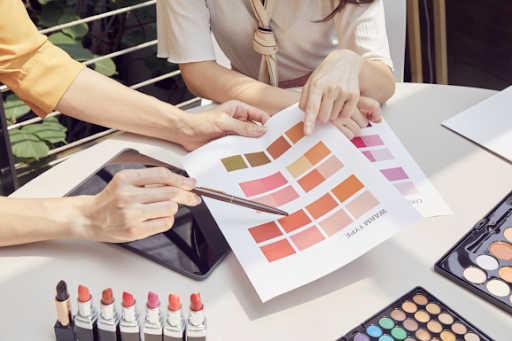
1. Define Your Brand Concept and Manufacturing Requirements
Your brand begins with a simple question: What exactly do you want to create?
Before contacting a manufacturer, organize your ideas into a clear brief that outlines your target customer, benefits, texture, pricing, and core message. A well-prepared brief will save significant time later.
▪️Key points to clarify:
· Required key ingredients
· Allergens or ingredients to avoid
· Claims such as vegan, fragrance-free, silicone-free
· Target cost range and packaging direction
When these elements are clearly defined, communication with the manufacturer becomes faster and more accurate.
2. Formulation & Prototyping
Once the manufacturer understands your concept, formulation development begins.
The first sample is rarely perfect—typically, 2–5 rounds of adjustments are needed to achieve the ideal texture, stability, and performance.
▪️During this stage, it’s crucial to check:
· Ingredient alternatives
· Mass-production suitability
· Raw material availability
· Cost implications
If you’re aiming for global distribution, confirm early on that the formula remains stable under mass-production conditions.
✨ FAQ: Cosmetic OEM Manufacturing & Global Market Requirements✨
Q1. How is OEM pricing determined?
Costs depend on the formula, packaging components, production complexity, and MOQ.
Q2. How long does cosmetic production take?
Standard lead time is 2–4 months. Custom or complex packaging may extend this to 5–6 months.
Q3. What certifications are needed for global launches?
Common requirements include GMP, ISO 22716, EU CPNP registration, and FDA registration for the U.S. Details vary by region.
Q4. How many sample revisions are allowed?
Manufacturers usually provide 2–5 rounds. Functional formulas may require additional adjustments.
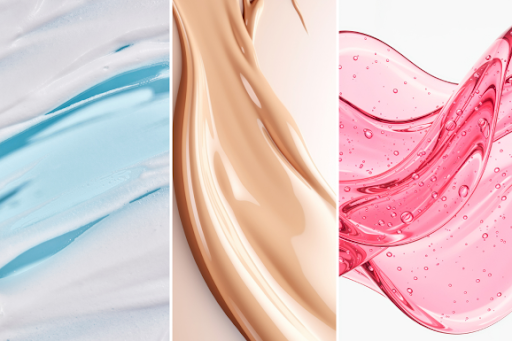
3. Safety & Efficacy Testing
After the formula is finalized, the next step is testing. This phase builds credibility with consumers and global buyers.
▪️Common tests include:
- Skin irritation test
- Preservative efficacy (Challenge Test)
- Microbial testing
- Clinical trials (for functional claims)
For global expansion, requirements vary by region (EU, US, Middle East, etc.), so documentation must be prepared accordingly.
4. Selecting a Manufacturer & Pilot Production
Choosing the right factory is one of the most important decisions you will make.
A reliable manufacturer typically offers:
· GMP and ISO certifications
· In-house laboratories
· Strong mass-production capabilities
· Export experience
· Strict production timeline management
Once selected, you will undergo pilot production to verify that the formula works smoothly in a real manufacturing environment.
This step helps identify issues such as viscosity changes, filling errors, and packaging compatibility.
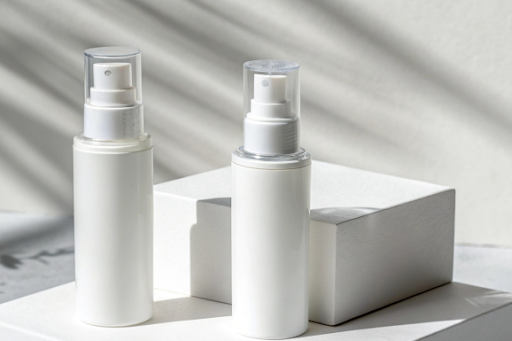
5. Packaging and Label Development
In the global market, packaging and labeling play a particularly crucial role. Each country has different legal requirements for mandatory information, warnings, ingredient naming conventions, and even the minimum label size. Because of this, brands need packaging that can handle multilingual labeling, maintain visual appeal and brand tone, and incorporate elements of recyclability and sustainability—all while ensuring durability for international shipping. Ultimately, the design must satisfy both aesthetic considerations and regulatory standards at the same time.
6. Stability Testing and Shelf-Life Determination
Shelf-life is never set arbitrarily as “two years” or “three years.” It is established through testing that verifies whether a product remains safe and unchanged over time.
The process begins with accelerated stability tests, which expose the product to harsh conditions—such as high temperatures, strong light, or continuous vibration—to assess how well it withstands stress. At the same time, long-term stability tests place the product in conditions similar to actual market environments, monitoring it over an extended period to evaluate any changes.
Additional environmental tests, including variable temperature and humidity assessments, help determine the storage conditions under which the product remains most stable, as well as the conditions that may lead to quality changes.
Based on all these results, the final shelf-life is determined. This information is then incorporated into labeling and export documentation, making it a critical basis for entering global markets.
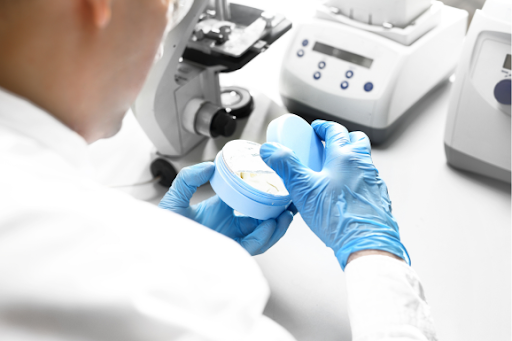
7. Final Production & Quality Control (QC)
During full-scale mass production, the most important factor is maintaining consistent quality across every single unit. Quality checks begin the moment raw materials enter the facility, and additional in-process inspections—such as verifying viscosity, color, and consistency—ensure that the manufacturing steps are carried out correctly.
Once the product becomes a finished good, it undergoes another round of evaluations, including physical property testing, chemical stability checks, and microbial analysis, to determine its final quality.
Comprehensive batch records are also essential for traceability, allowing the brand to identify the source of any issues that may arise later.
This level of quality control is especially important to B2B buyers. In global markets where regulations are strict, the degree to which a brand maintains systematic QC processes and thorough documentation is a key factor in determining credibility and trust.
A Brand Is Ultimately a “Carefully Designed Experience”
More than flashy marketing or dramatic concepts, what keeps a brand strong over time is a stable production system and transparent quality management.
From concept brief → formulation → testing → production → packaging → compliance → post-launch monitoring,
every step is interconnected, and mastering this flow naturally increases your brand’s competitive strength and success potential.
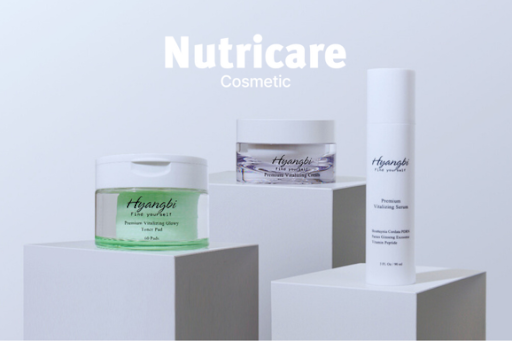
This is exactly why Nutricare’s cosmetic production infrastructure provides a strong foundation for aspiring founders and global partners.
With GMP and HACCP-based quality control, in-house R&D formulation expertise, and integrated testing and regulatory support aligned with global standards, Nutricare continues to partner with diverse brands in Korea and worldwide.
As the K-beauty landscape and international regulations evolve, we remain committed to delivering trustworthy production solutions—so that more brands can enter the market confidently and succeed globally.
📩 For business inquiries: beauty@nutricare.co.kr