
The private label skincare market has undergone a fundamental transformation over the past few years. What was once a space dominated by large companies with substantial development budgets and established manufacturer relationships has opened up considerably, giving smaller brands genuine access to professional-grade formulation and production quality that was previously out of reach.
At the center of this shift is Korean cosmeceutical manufacturing. Small and indie beauty brands worldwide are increasingly turning to Korea as their manufacturing source of choice, not simply because Korean formulations are well-regarded globally, but because the specific combination of ingredient access, formulation science, production flexibility, and private label support that Korean manufacturers offer creates a genuinely compelling pathway for smaller brands to compete effectively in a crowded market.
This blog explores the reasons behind this trend, what Korean cosmeceutical manufacturing actually offers small brands, and how to approach the private label development process as a growing beauty business.

What Draws Small Brands to Korean Cosmeceutical Manufacturing Specifically
The appeal of Korean manufacturing for small brands is not simply about geography or trend association. It is about access to a specific tier of formulation quality and ingredient technology that cosmeceutical manufacturing in Korea delivers at entry points that smaller brands can realistically work with.
Korean cosmeceutical manufacturer partnerships give small brands access to the same class of active ingredients and formulation science that large established skincare companies have historically used as competitive advantages. Ingredients like PDRN, exosomes, advanced peptide complexes, fermented bioactives, EGF, and biotech-derived skin actives were once accessible only to brands with significant R&D investment. Korean private label manufacturing has changed this by making these ingredients available through flexible development programs that accommodate smaller production volumes and more modest development budgets.
The result is that a small brand working with the right Korean cosmeceutical manufacturing partner can launch a product with genuine formulation depth and credible efficacy claims that competes directly with premium products from much larger companies. This leveling of the playing field is one of the most significant developments in the beauty industry over the past decade, and it is largely driven by the accessibility and flexibility of Korean private label manufacturing programs.
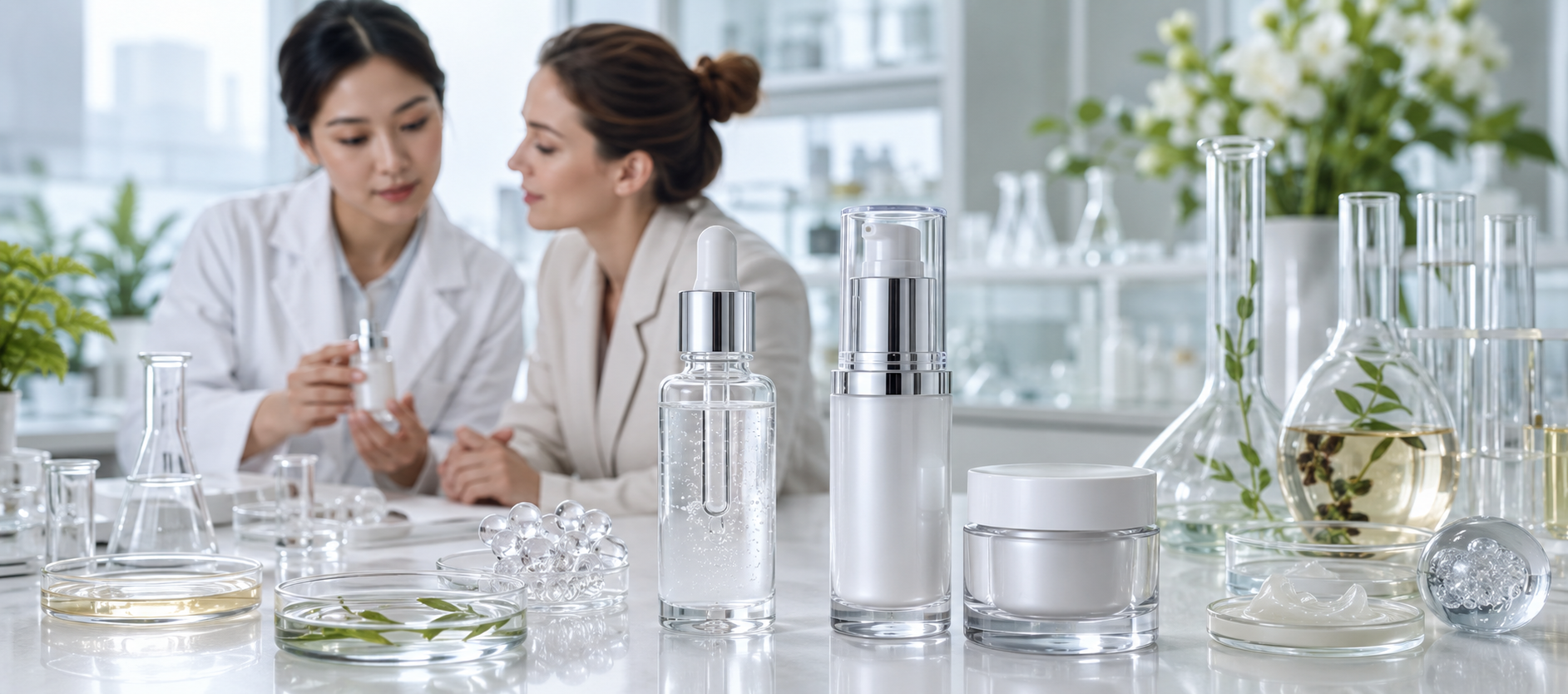
The Cosmeceutical Advantage: Why Ingredient Quality Matters More Than Ever
Consumer sophistication has increased dramatically across all skincare market segments. Buyers who once made purchasing decisions based on brand recognition and packaging aesthetics are now reading ingredient lists, researching actives before purchasing, and making informed choices based on what a formula actually contains and what the science behind it suggests it can deliver.
This shift in consumer behavior creates both a challenge and an opportunity for small brands. The challenge is that surface-level marketing claims no longer carry the weight they once did. The opportunity is that small brands with genuinely strong formulations now have a clearer path to consumer trust than was possible before ingredient transparency became a market standard.
Korean functional skincare formulation company manufacturing gives small brands the formulation substance they need to meet this heightened consumer expectation. When your product contains clinically researched active ingredients at effective concentrations, developed and stabilized through a rigorous Korean OEM manufacturing process, you have a product story grounded in genuine performance rather than aspirational language.
This is why cosmeceutical-grade formulation matters so much for small brands in today’s market. It is not about following a trend. It is about building products that earn consumer trust through results rather than simply claiming it through marketing.
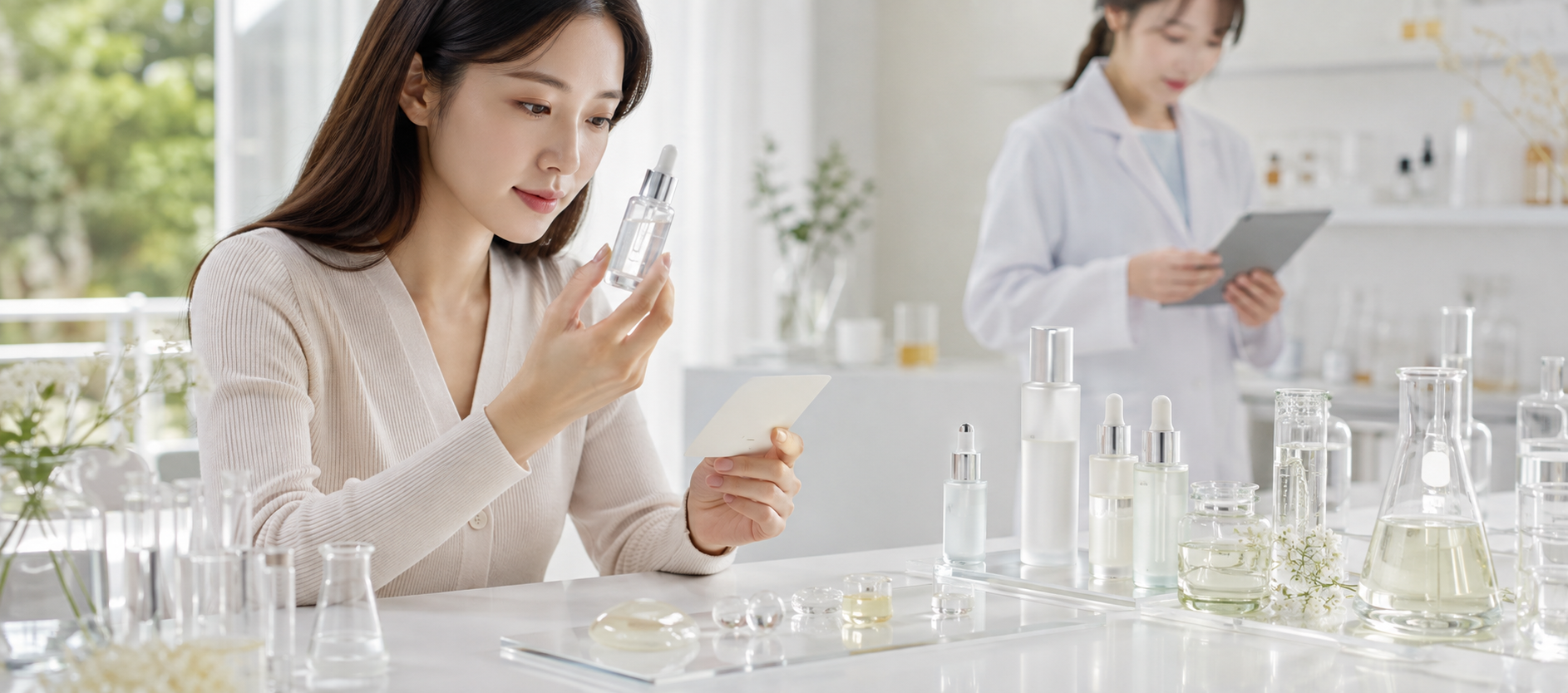
Flexible Private Label Programs That Work for Smaller Budgets and MOQs
One of the most practical barriers that small brands historically faced when exploring high-quality skincare manufacturing was minimum order quantity. Standard production facilities optimized for large-volume output often set MOQs that simply do not work for brands that need to manage cash flow carefully and cannot commit to thousands of units of a single product before they have validated market demand.
Korean cosmeceutical manufacturers that specifically support private label programs for smaller brands have addressed this barrier directly. Many offer Korean skincare private label low MOQ options that allow brands to launch with manageable initial production volumes while still accessing the formulation quality and ingredient depth that defines the cosmeceutical category.
This flexibility fundamentally changes the risk profile of launching a cosmeceutical skincare product as a small brand. Rather than committing a significant portion of their total launch budget to a single large production run before knowing how the market will respond, smaller brands can enter with a focused initial volume, test consumer response, refine their marketing approach, and scale production as demand grows.
The phased growth model this enables is one of the most important strategic advantages that Korean private label manufacturing offers to smaller beauty businesses. It allows brands to build carefully and confidently rather than overextending at launch and running into inventory and cash flow problems in the critical early months of their brand’s existence.

How Korean Manufacturers Support Small Brands Beyond Production
The most valuable Korean private label manufacturing relationships for small brands go well beyond filling and sealing products. A genuine manufacturing partner invests in understanding the brand’s goals and supports the development process in ways that a pure production facility never would.
At Nutricare Cosmetic, we support small and emerging beauty brands by coordinating product planning, formulation development, ingredient selection, packaging, regulatory documentation, quality management, and production through qualified Korean manufacturing partners.
This includes helping brands identify the right formulation direction for their target consumer, selecting ingredients that support their positioning and efficacy goals, providing guidance on packaging that balances aesthetic appeal with formula compatibility and production cost, and preparing the regulatory documentation needed for their target markets.
This comprehensive support is particularly valuable for small brand founders who may be navigating professional skincare manufacturing for the first time. Having a knowledgeable partner who can explain the development process clearly, set realistic expectations around timelines and costs, and guide decision-making at each stage prevents the expensive mistakes that many first-time founders make when working with manufacturers who simply execute orders without offering strategic guidance.
The relationship between a small brand and its Korean manufacturing partner can be one of the most important factors in that brand’s early success. Brands that find partners genuinely invested in their growth outcome consistently outperform those that treat manufacturing as a purely transactional relationship.
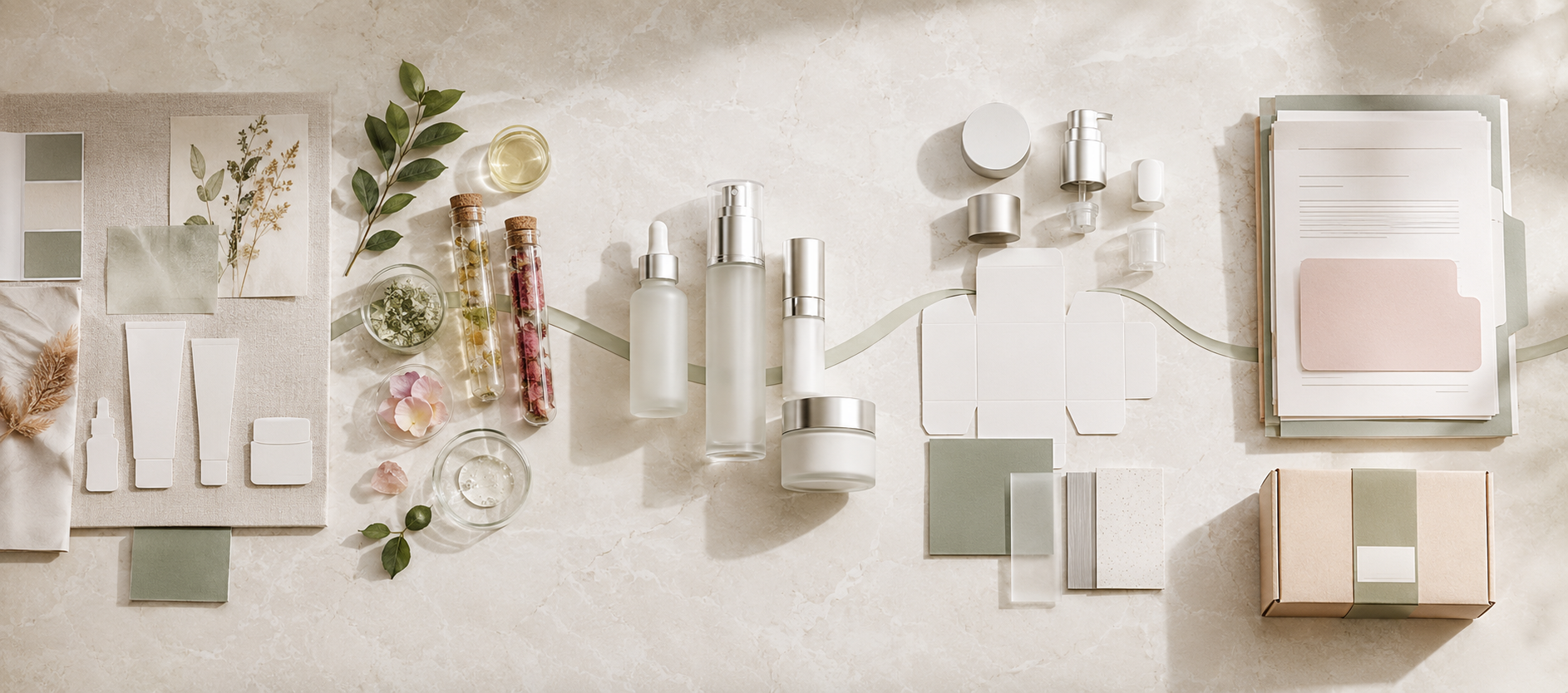
Regulatory Documentation: A Critical Advantage of Korean Cosmeceutical Manufacturing
One area where small brands particularly benefit from working with experienced Korean cosmeceutical manufacturers is regulatory documentation. International market entry for skincare products requires specific documentation across different markets, and preparing this documentation correctly can be one of the most time-consuming and expertise-dependent parts of the launch process.
Korean manufacturers with strong international export experience have established documentation frameworks for the most common target markets, including EU, USA, GCC, Southeast Asia, and Australia. This means that when a small brand works with an experienced Korean partner, the
Certificate of Analysis, INCI lists, stability reports, and safety assessments they need to enter their target market are produced as a standard part of the manufacturing process rather than being an afterthought that delays the launch.
For small brands without internal regulatory expertise, this documentation capability from their Korean manufacturing partner is not just convenient. It is often the difference between a product launch that proceeds on schedule and one that gets held up for months dealing with documentation gaps and compliance questions that an experienced manufacturer would have anticipated and addressed automatically.

Building a Cosmeceutical Brand Identity Around Korean Manufacturing
Small brands that choose Korean cosmeceutical manufacturing as the foundation of their product development have a natural and compelling brand story to tell. Korean skincare manufacturing carries strong global recognition for quality, innovation, and ingredient advancement, and brands that source production there can leverage this recognition authentically as part of their overall brand narrative.
The key is to communicate this story with substance rather than simply using Korean manufacturing as a label. Brands that share specific information about the ingredients their products contain, the formulation philosophy behind them, and the manufacturing standards they are produced to build significantly stronger consumer trust than those that reference Korean manufacturing vaguely without supporting detail.
Korean medical skincare OEM formulation heritage gives brands a foundation of clinical credibility that is particularly powerful when communicated through transparent ingredient storytelling. Small brands that invest in educating their consumers about what their products contain and why those ingredients matter consistently build stronger communities and higher repeat purchase rates than those relying primarily on lifestyle marketing without ingredient substance.
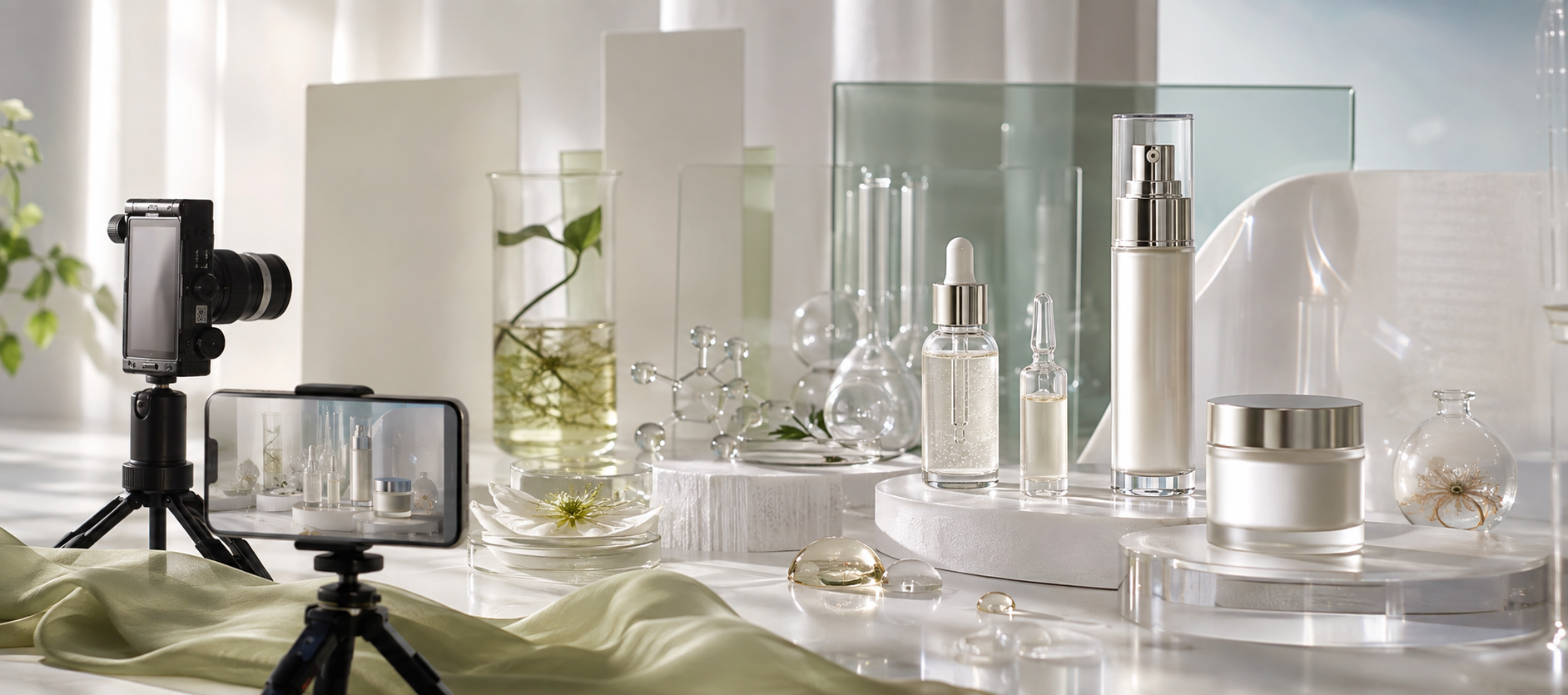
Practical Steps for Small Brands Starting Their Korean Private Label Journey
If you are a small brand considering Korean cosmeceutical private label manufacturing for the first time, here is a practical framework for approaching the process:
Start with your hero product.
Do not try to launch a complete skincare line from the beginning. Identify the single product that most clearly communicates your brand’s value proposition and focus your initial development investment there. Build your line around it over time as your brand grows.
Define your target consumer specifically.
The more clearly you can describe who you are building for, the more precisely your Korean manufacturing partner can guide your formulation direction. Vague briefs produce vague results. Specific consumer profiles produce focused, commercially relevant product development.
Be realistic about your budget and timeline.
Korean cosmeceutical development requires investment and time. Custom formulation projects take three to six months from brief to finished product. Build this into your launch planning and ensure your budget covers development, stability testing, packaging, and first production run without leaving you financially stretched at launch.
Ask for samples and references.
Before committing to any Korean manufacturing partner, request product samples across categories similar to yours and ask for references from brands they have supported previously. The quality of their existing work is the most reliable predictor of what they will deliver for your brand.
&nbps;
Final Thoughts
Korean cosmeceutical private label manufacturing has genuinely democratized access to high-performance skincare formulation for small and indie beauty brands. The combination of advanced ingredient access, flexible MOQs, comprehensive development support, and established regulatory frameworks that Korean manufacturers offer creates a pathway for smaller brands to build products that compete seriously in the premium skincare market without requiring the development infrastructure that large companies have historically relied on.
The brands making the most of this opportunity are those that approach it strategically, with clear brand positioning, a specific product vision, and a manufacturing partner invested in their growth. If you are ready to build your cosmeceutical skincare brand on the foundation that Korean manufacturing provides, the right partnership is the place to start.

Frequently Asked Questions
Q1. Why are small beauty brands specifically choosing Korean cosmeceutical manufacturers for private label?
Korean cosmeceutical manufacturers offer small brands access to advanced active ingredients, flexible MOQs, and comprehensive development support at entry points that were previously only accessible to larger companies with significant production commitments and R&D budgets.
Q2. What is the difference between cosmeceutical manufacturing and standard private label skincare production?
Cosmeceutical manufacturing uses active ingredients at clinically effective concentrations with rigorous stability testing and efficacy documentation. Standard private label production may use the same ingredients at lower concentrations without the same level of scientific rigor and performance documentation.
Q3. What MOQs should small brands expect from Korean cosmeceutical private label manufacturers?
MOQs vary by manufacturer and product type. Many Korean manufacturers supporting small brands offer flexible entry points from 500 to 3,000 units per SKU, allowing smaller brands to launch at manageable volumes and scale production as market demand grows.
Q4. How do Korean cosmeceutical manufacturers support small brands with regulatory documentation?
Experienced Korean manufacturers provide Certificate of Analysis, INCI ingredient lists, stability testing reports, and safety assessments as standard parts of the manufacturing process. Their established documentation frameworks for major markets significantly reduce the regulatory burden on small brand founders.
Q5. How long does Korean cosmeceutical private label development take for a small brand’s first product?
Custom cosmeceutical OEM development typically takes three to six months from initial brief to finished product. Private label ODM routes using existing formulas can move significantly faster, sometimes within six to ten weeks depending on packaging lead times and approvals.