
The ampoule and serum category is one of the most commercially dynamic segments in the global skincare market. Consumer demand for targeted, concentrated treatment products continues to grow year on year, and brands worldwide are investing in this category because it commands premium price points, drives strong repeat purchase behavior, and gives brands the most compelling platform for ingredient-led storytelling.
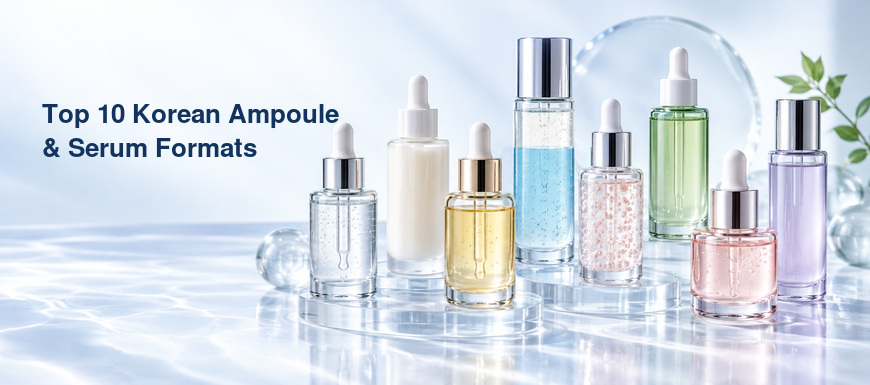
South Korea leads the world in ampoule and serum formulation. Korean manufacturers have spent decades developing and refining the product formats, textures, and ingredient delivery systems that have made this category globally dominant. For brands building through Korean OEM private label manufacturing, the range of serum and ampoule formats available is significantly broader and more sophisticated than what most other manufacturing regions can offer.
This blog covers the top 10 Korean ampoule and serum formats available for OEM private label production, what makes each one commercially relevant, and which brand positioning strategies each format supports most effectively.
Format #1: Concentrated Treatment Ampoule
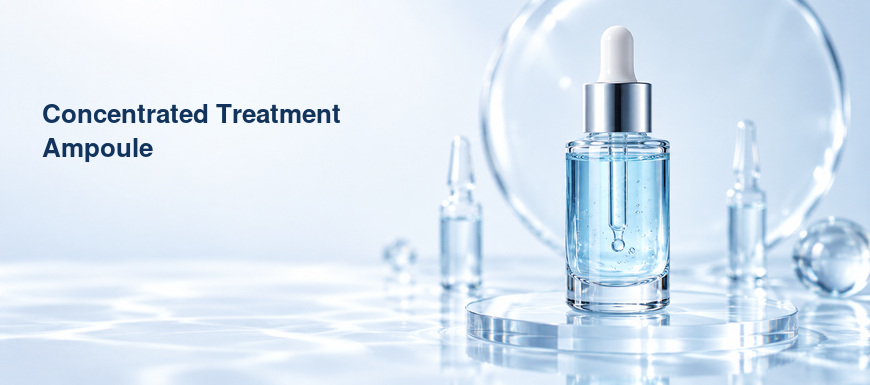
The concentrated treatment ampoule is the most iconic format in Korean skincare and the one that most strongly defines the category globally. Typically packaged in small glass vials or dropper bottles ranging from 10ml to 30ml, treatment ampoules deliver the highest active ingredient concentrations of any leave-on skincare format.
The small pack size communicates intensity and precision to the consumer. Every drop is positioned as a powerful, targeted treatment rather than a general skincare step, which supports premium pricing and creates a strong perceived value that consumers are willing to pay for consistently.
Korean OEM manufacturers produce concentrated treatment ampoules across virtually every skin concern category including anti-aging, brightening, barrier repair, hydration, and regeneration. The format is particularly well suited to biotech actives like exosomes, PDRN, and advanced peptide complexes that benefit from high concentration delivery without the dilution that larger format products require.
For brands entering the premium skincare segment for the first time, a concentrated treatment ampoule as a hero product is one of the strongest commercial starting points available. The format carries inherent credibility with ingredient-educated consumers and creates immediate brand differentiation from mass-market alternatives regardless of the price point being targeted.
Format #2: Lightweight Watery Serum
The lightweight watery serum sits at the most accessible end of the Korean serum category in terms of texture and consumer experience, but it carries significant commercial potential for brands targeting hydration, brightening, and first-essence positioning.
These formulas are typically 90 percent or more water content, absorb almost instantly without any residue, and layer perfectly under heavier treatment steps. Their ultralight texture makes them well suited to consumers in humid climates, those with oily or combination skin types, and younger consumers building their first skincare routines who find heavier serums uncomfortable to use daily.
Korean OEM manufacturing excels in watery serum formulation because Korean formulators understand how to deliver meaningful active concentrations within a high water content base without compromising stability or skin feel. This technical challenge, delivering real ingredient efficacy in a formula that feels like water on the skin, requires formulation expertise that not all manufacturing regions have developed to the same level.
Format #3: Hydrating Ampoule
The hydrating ampoule sits between the ultralight watery serum and the concentrated treatment ampoule in terms of texture and active density. It delivers deep, multi-layer hydration through high concentrations of hydrating actives without the heaviness of a cream-based product, making it one of the most universally appealing product formats in the Korean skincare lineup.
Korean hydrating ampoule OEM formulations work with layered hydration systems combining multiple molecular weight hyaluronic acid complexes, snow mushroom polysaccharides, beta-glucan, and sodium PCA to deliver moisture at different skin depths simultaneously. This multi-layer approach produces both the immediate plumping effect that consumers notice from first application and the sustained moisture retention they experience throughout the day.
From a brand strategy perspective, hydrating ampoules offer extremely broad consumer appeal. Dehydration is a universal skin concern that crosses skin type, age, and demographic boundaries, making a well-formulated hydrating ampoule one of the most commercially accessible starting points for brands entering the Korean OEM serum category for the first time.
Format #4: Gel Serum
The gel serum format has established itself as one of the most commercially successful textures in the Korean skincare OEM category, combining the active ingredient delivery of a traditional serum with a tactile, satisfying application experience that consumers genuinely enjoy.
Gel serums have a slightly more substantial texture than watery essences, providing a pleasant slip and glide on the skin while still absorbing cleanly without residue or heaviness. This texture profile makes them well suited to a broader range of skin types than either watery serums or oil-based formats, including oily, combination, and normal skin consumers who want treatment actives without any heavy or greasy finish.
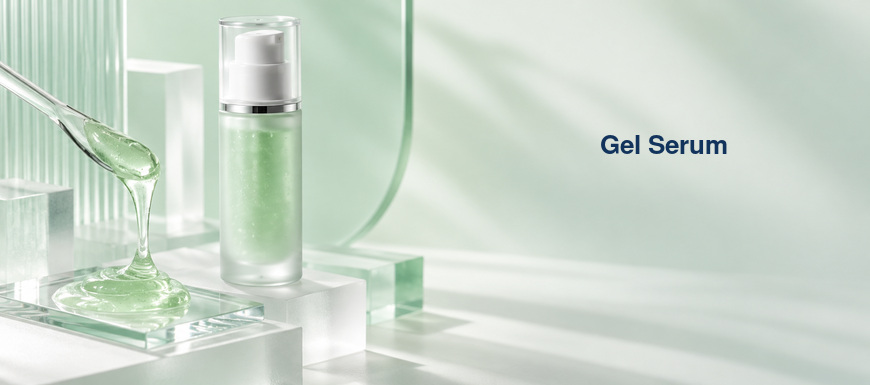
The format performs particularly well for soothing, hydrating, and barrier repair formulations where the gel base can carry centella asiatica, beta-glucan, and ceramide actives effectively while delivering the cool, calming application sensation that sensitive skin consumers find particularly appealing.
Format #5: Lifting and Firming Serum
Lifting and firming serums represent one of the highest value product formats in the Korean OEM serum category, commanding strong premium pricing and delivering some of the most commercially compelling ingredient stories available through Korean manufacturing.
The Korean lifting serum OEM format combines immediate tensing actives that consumers can feel within minutes of application with longer-term collagen-building ingredients that improve skin firmness and facial contour over consistent use. This dual-action profile, delivering both an immediate sensory result and a long-term structural improvement, is what separates a genuinely effective lifting serum from one that simply feels pleasant without producing lasting change.
Korean formulators build lifting serums around multi-peptide complexes, plant-derived tensing actives, PDRN for cellular regeneration support, and hydrating bases that deliver the formula efficiently without heaviness. The formulation challenge of combining these actives in a stable, elegantly textured product that absorbs quickly and leaves no residue is one that Korean OEM manufacturers handle with a level of expertise that consistently exceeds what other manufacturing regions produce in this category.
For brands targeting the premium anti-aging market, a Korean lifting serum is one of the strongest hero product investments available through OEM private label manufacturing.
Format #6: Soothing and Barrier Repair Serum
The soothing serum category has grown significantly as consumer awareness of skin barrier health has increased and more people identify as having sensitive or reactive skin. This format addresses one of the most widespread and emotionally resonant skin concerns in the current market, skin that feels tight, reactive, and uncomfortable, with formulas specifically designed to calm, protect, and rebuild.
Korean soothing serum private label formulations build around a core of centella asiatica, panthenol, madecassoside, and beta-glucan to calm visible redness and irritation while ceramides and barrier-supportive lipids work alongside to restore structural integrity over consistent use. The best Korean soothing serums address both the symptom and the underlying cause of skin sensitivity simultaneously, which is what distinguishes them from simpler calming products that provide only temporary relief without improving barrier function.
This format is strongly suited to brands entering the derma, clinical, or sensitive skin positioning, where product performance credibility is non-negotiable and consumers are often recommended to brands by dermatologists or skincare professionals who expect clinical-grade formulation standards.
Format #7: Brightening Serum
Brightening serums are among the most consistently in-demand product types across virtually every major global skincare market, and Korean OEM manufacturing produces brightening formulations that are among the most sophisticated and scientifically credible available anywhere.
Korean brightening serum manufacturer capabilities extend well beyond basic vitamin C serums. Korean formulators approach brightening as a multi-mechanism challenge, selecting ingredients that address different stages of the melanin production process simultaneously for more comprehensive and visible results than single-active approaches can achieve.
Advanced Korean brightening serum formulations combine stabilized vitamin C derivatives for antioxidant protection and melanin inhibition, niacinamide for melanin transfer interruption and overall skin tone evening, alpha arbutin for tyrosinase inhibition, and tranexamic acid for addressing stubborn hyperpigmentation through multiple biological pathways. This layered approach to brightening formulation is a defining characteristic of premium Korean OEM serum manufacturing and produces products that deliver visibly more comprehensive results than the simple vitamin C serums that dominate lower-quality manufacturing output.
Format #8: Oil-Based Serum and Face Oil Hybrid
The oil-based serum and face oil hybrid format has gained significant commercial traction in recent years as consumers move toward richer, more nourishing treatment products, particularly for anti-aging, barrier repair, and dry skin positioning.
Unlike traditional facial oils that sit entirely on the skin surface, Korean OEM oil-serum hybrids are formulated to absorb with a dry, non-greasy finish while delivering lipid-based actives including ceramides, fatty acids, and oil-soluble bioactives like astaxanthin and retinol derivatives deeper into the skin. This hybrid formulation approach requires sophisticated emulsification technology and a deep understanding of lipid chemistry that Korean formulators have developed through years of working in this technically demanding category.
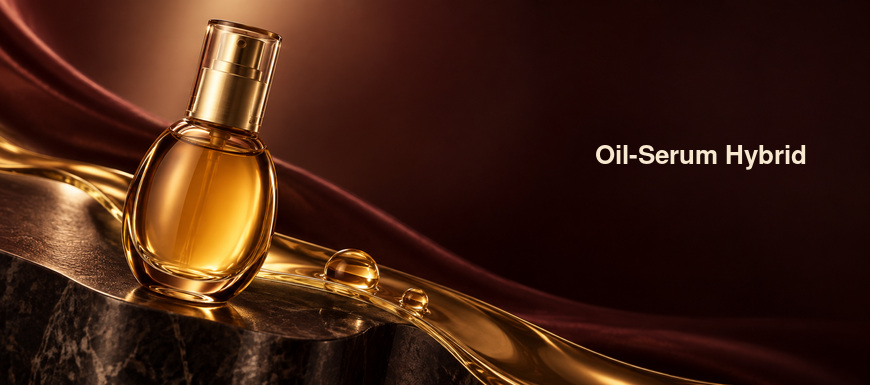
For brands building in the clean beauty, botanical, or premium anti-aging space, oil-serum hybrids offer a strong format with excellent perceived value and a natural ingredient story that resonates strongly with today’s most ingredient-conscious consumers.
Format #9: Multi-Vitamin Ampoule
The multi-vitamin ampoule format has emerged as one of the most commercially successful product innovations in Korean OEM manufacturing in recent years, combining the concentrated treatment positioning of a traditional ampoule with the broad consumer appeal of a multi-benefit vitamin formula that addresses several skin concerns simultaneously.
Korean OEM manufacturers produce multi-vitamin ampoules that combine vitamin C derivatives for brightening and antioxidant protection, vitamin B3 or niacinamide for tone evening and barrier support, vitamin E for antioxidant synergy and moisture retention, and various B-complex vitamins that support overall skin health and cellular function. The combination of multiple vitamins within a single concentrated treatment creates a product story that is both scientifically substantiated and immediately accessible to consumers who understand vitamin benefits from food and supplement contexts.
This format performs particularly well for brands targeting first-time ampoule users or consumers building their first serious skincare routine, as the multi-vitamin positioning communicates both efficacy and accessibility without requiring the detailed ingredient education that more specialized actives like exosomes or PDRN demand.
Format #10: Bifunctional and Dual-Phase Ampoule
The bifunctional and dual-phase ampoule format represents the most technically sophisticated end of Korean OEM serum production and one of the most visually distinctive and commercially compelling product innovations available through Korean manufacturing.
Dual-phase ampoules contain two separate formula components that remain separated until the moment of application, either through physical separation in a dual-chamber container or through a shake-to-mix mechanism. This format is used when a formula contains actives that are chemically incompatible in a combined state but that deliver superior results when applied together at the point of use. Pure vitamin C and certain antioxidants benefit from this approach, as do formulas combining water-soluble and oil-soluble actives at concentrations that would otherwise compromise stability.
Beyond the functional benefits, the dual-phase format creates an engaging, ritualistic consumer experience that translates exceptionally well into social media content and unboxing moments, giving brands a marketing advantage alongside the formulation benefits. Korean OEM manufacturers with dual-phase production capabilities are among the most technically advanced in the global serum manufacturing space, and brands accessing this format through Korean private label production gain a product innovation that commands genuine market attention.
Choosing the Right Format for Your OEM Private Label Brand
With ten distinct ampoule and serum formats available through Korean OEM private label manufacturing, the question for brand founders is not which format is best in absolute terms, but which format best serves their specific target consumer, brand positioning, and commercial goals.
Brands entering the market for the first time often benefit from starting with a format that has the broadest consumer appeal and the clearest product story. Hydrating ampoules, gel serums, and brightening serums all fit this description and provide strong commercial foundations for new brands to build on. Brands with more established market positions and clear consumer data can invest in more specialized formats like dual-phase ampoules, lifting serums, or oil-serum hybrids that deliver higher perceived innovation and command stronger premium pricing.
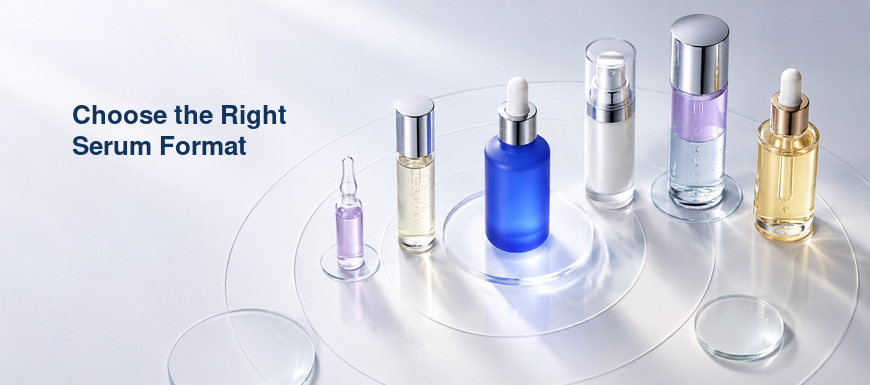
At Nutricare Cosmetic, our formulation team helps brands evaluate which serum or ampoule format best fits their strategy and guides the development process from initial brief through to finished product with the technical expertise and manufacturing precision that premium Korean OEM serum production requires.
Frequently Asked Questions
Q1. What is the difference between a Korean ampoule and a serum in OEM production?
Ampoules deliver higher active ingredient concentrations in smaller volumes, positioned as intensive treatment steps. Serums are daily-use formulas with moderate active concentrations in larger formats. Both are available through Korean OEM manufacturing across multiple textures and ingredient strategies suited to different brand positioning and consumer preferences.
Q2. Which Korean ampoule or serum format is best for a brand entering the market for the first time?
Hydrating ampoules and brightening serums offer the strongest commercial starting points for new brands due to their broad consumer appeal and clear product stories. These formats require less consumer education than specialized biotech formats and perform well across multiple global markets simultaneously.
Q3. How long does Korean OEM ampoule and serum development take from brief to finished product?
Custom OEM ampoule and serum development typically takes three to five months including formulation, revision rounds, stability testing, and packaging finalization. Private label ODM routes using existing formulas can move significantly faster depending on packaging lead times and label compliance requirements.
Q4. What MOQ should brands expect for Korean ampoule and serum OEM private label production?
MOQs for Korean ampoule and serum OEM production typically range from 1,000 to 3,000 units per SKU depending on the manufacturer, formula complexity, and packaging format selected. Manufacturers supporting indie and growing brands often offer more flexible entry points than large industrial production facilities.
Q5. Can Korean OEM manufacturers produce dual-phase and bifunctional ampoule formats for private label brands?
Yes. Korean manufacturers with advanced production capabilities produce dual-phase and bifunctional ampoule formats for private label brands. These technically demanding formats require specialized equipment and formulation expertise that Korean OEM manufacturers have developed through years of producing at the leading edge of the serum category.
Q6. How should a brand choose between an ampoule and a serum?
Brands should consider target skin concerns, preferred texture, expected retail price, packaging, climate, and consumer familiarity. Ampoules are generally suited to concentrated hero treatments, while serums offer broader daily-use positioning and more flexible pack sizes.
Q7. Can Korean OEM manufacturers customize serum texture, ingredients, and packaging?
Yes. Depending on the manufacturer and project scope, brands can customize texture, active ingredients, fragrance, color, viscosity, packaging, and claims direction. Available options, testing requirements, MOQ, and development time vary by formula and packaging complexity.
Q8. Which serum formats are most suitable for sensitive or dry skin brands?
Soothing and barrier repair serums are well suited to sensitive or reactive skin positioning. Hydrating ampoules can address dehydration across multiple skin types, while oil-serum hybrids are generally more appropriate for dry, mature, or lipid-deficient skin positioning.