
The skincare industry moves fast. Ingredients that were considered cutting-edge two years ago are now standard inclusions across mid-market product lines, and the brands that consistently win consumer attention and retailer interest are those that stay ahead of the formulation curve rather than following it.
For beauty brands building through Korean OEM and private label manufacturing, ingredient selection is one of the most consequential strategic decisions in the entire development process. The right ingredient not only determines what your product can do for the consumer’s skin, it shapes your brand story, your market positioning, your price point, and your competitive differentiation for years after launch.
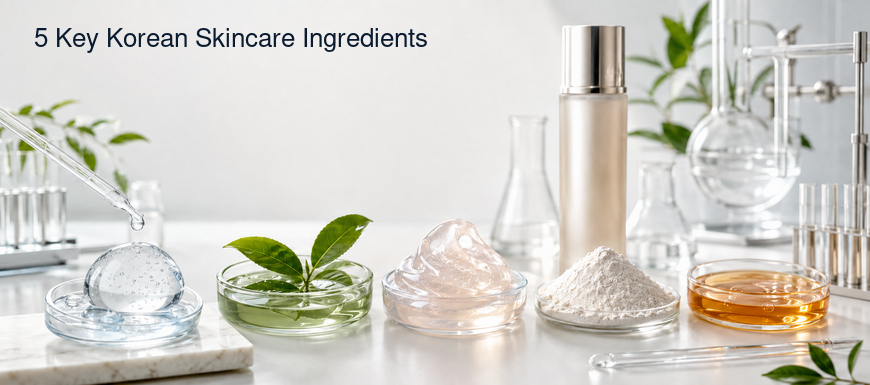
Korea sits at the center of global skincare ingredient innovation, and its OEM manufacturing ecosystem gives brands access to actives that are genuinely leading the next wave of consumer interest. These are not ingredients that have already peaked and are now appearing on every shelf. They are the actives that ingredient-educated consumers are actively seeking out and that forward-thinking brands are building around right now.
Here are the five most strategically important Korean skincare ingredients for OEM and private label formulation in 2026, and what brands need to understand about each one before building it into their product strategy.
Ingredient #1: Peptides: The Science-Backed Anti-Aging Standard That Keeps Evolving
If any ingredient category has demonstrated sustained commercial staying power while continuing to evolve scientifically, it is peptides. Unlike trend-driven actives that spike in consumer interest and fade within a season, peptide technology has deepened consistently over the past decade and shows no signs of plateauing as a formulation priority.
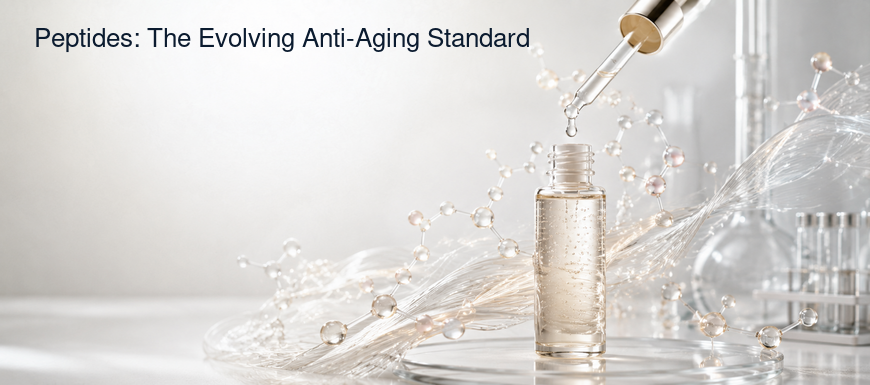
Korean formulators now work with highly specialized peptide complexes engineered for specific biological targets that give brands genuinely differentiated formulation stories. Signal peptides remain the workhorse of the category, communicating with skin cells to stimulate collagen, elastin, and hyaluronic acid production. The more advanced end of the Korean peptide formulation space now works with biomimetic peptides that replicate the structure and function of naturally occurring skin proteins, neurotransmitter-inhibiting peptides that visibly reduce expression line depth over consistent use, and carrier peptides that transport beneficial trace minerals to the layers of the skin where structural repair actually occurs.
What makes peptide formulation particularly valuable for private label brands right now is the combination of strong consumer recognition and genuine scientific substance. Consumers who research ingredients before purchasing already understand what peptides do and actively seek them out in premium anti-aging, firming, and treatment products. This existing consumer education reduces the marketing investment required to build awareness around a peptide-led product.
For OEM formulation strategy, the most commercially compelling peptide products right now are multi-peptide serums that combine three to five distinct peptide types targeting different aging mechanisms simultaneously. Korean manufacturers with strong peptide expertise can help brands select the right combinations for their specific anti-aging target and build stable, effective formulas that deliver on their claims consistently across every production batch.
Ingredient #2: Ceramides: Barrier Repair Moves from Trend to Category Standard
Ceramide-based skincare has moved through an interesting evolution over the past several years. What began as a trending ingredient conversation around skin barrier health has settled into something more significant and durable: a genuine category standard for derma, sensitive skin, and barrier repair formulation that shows no sign of declining in consumer relevance.
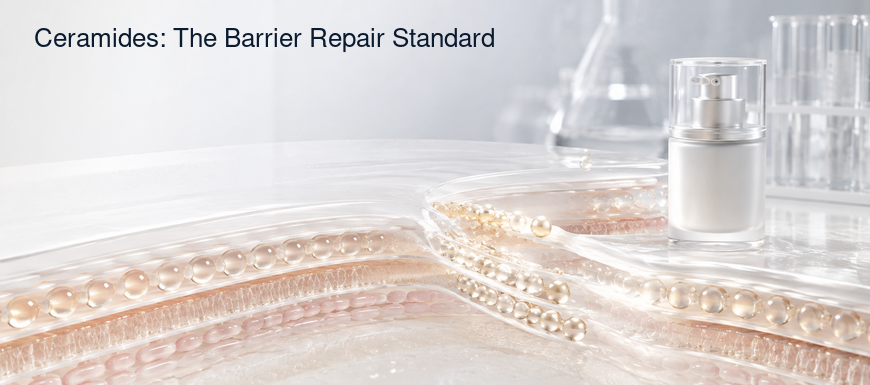
Korean OEM barrier repair manufacturing has developed considerably in sophistication as demand for this category has grown. The most advanced Korean ceramide formulations now work with multiple ceramide types in carefully calibrated ratios that mirror the natural lipid composition of healthy human skin, delivering barrier restoration that is more comprehensive and biologically precise than single-ceramide formulations can achieve.
The three primary ceramide types used in Korean OEM barrier repair formulations are ceramide NP, ceramide AP, and ceramide EOP. Each plays a distinct structural role in the skin barrier, and formulas that combine all three in proportions matching the skin’s own lipid ratios deliver superior barrier restoration compared to products using only one or two ceramide types.
From a brand strategy perspective, ceramide formulations offer several distinct positioning opportunities. Sensitive and reactive skin positioning is the most obvious and commercially well-established angle, but ceramide formulations also work strongly in post-procedure recovery positioning for brands targeting aesthetic clinic channels, age-related barrier decline positioning for mature skin consumers, and environmental protection positioning for urban consumers whose barrier is chronically compromised by pollution and lifestyle factors. The ingredient story around ceramides is also particularly accessible for consumer communication, giving brands a clear and honest product narrative that resonates strongly with today’s ingredient-educated skincare buyer.
Brands entering the barrier repair category through GMP certified cosmetics manufacturer Korea partnerships gain the additional advantage of manufacturing documentation that supports derma and clinical channel positioning, where proof of production standards is often a prerequisite for professional buyer engagement.
Ingredient #3: Exosomes: The Frontier of Biotech Skincare That Brands Cannot Afford to Ignore
Exosome technology represents the most significant development in Korean biotech skincare formulation over the past three years, and its trajectory in the OEM manufacturing space makes it one of the most strategically important ingredients for brands building in the premium and clinical skincare segments right now.
Exosome skincare Korea OEM manufacturing positions Korea as the most capable production environment for this advanced biotech ingredient anywhere in the world. Korean labs have invested substantially in developing the extraction, stabilization, and delivery systems required to incorporate exosomes into commercially viable cosmetic products that maintain their bioactivity through production, packaging, and shelf life.
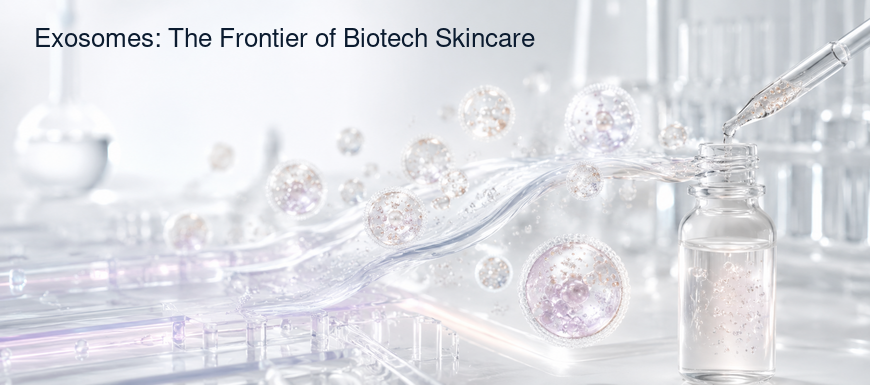
Exosomes are nanoscale vesicles produced and released by cells, particularly stem cells, that carry growth factors, proteins, lipids, and genetic material used for cell-to-cell communication. In skincare applications, these vesicles work by delivering their bioactive cargo to skin cells and triggering regenerative responses including collagen synthesis, cellular repair, and barrier restoration. Their extremely small size allows penetration to skin layers that larger molecules cannot reach, making their active delivery significantly more effective than many conventional ingredient systems.
The consumer and professional market for exosome skincare is growing rapidly, driven particularly by awareness generated through the professional aesthetic channel where exosome treatments are gaining strong recognition among dermatologists and aesthetic practitioners. This professional awareness creates a natural consumer demand pathway that well-positioned brands can capture through retail and direct-to-consumer channels.
For OEM formulation strategy, exosome technology currently performs most strongly in premium anti-aging serum and ampoule formats, post-procedure recovery products targeting the aesthetic clinic distribution channel, and intensive regenerative treatment products positioned at the luxury end of the skincare market. Brands entering this space need a manufacturing partner with genuine exosome formulation experience and validated stabilization methods, as the gap between manufacturers who can genuinely deliver exosome bioactivity and those simply adding exosome extract as a marketing ingredient is significant and directly affects product performance.
Ingredient #4: Fermented Ingredients: Korea’s Deepest Formulation Heritage Produces Its Most Commercially Versatile Actives
Fermentation is woven into Korean culture at a level that goes far beyond skincare trends. Thousands of years of fermentation practice in food, medicine, and wellness have created a knowledge base and microbial expertise that Korean cosmetic scientists have applied to skincare formulation in ways that produce genuinely unique and commercially powerful ingredients.
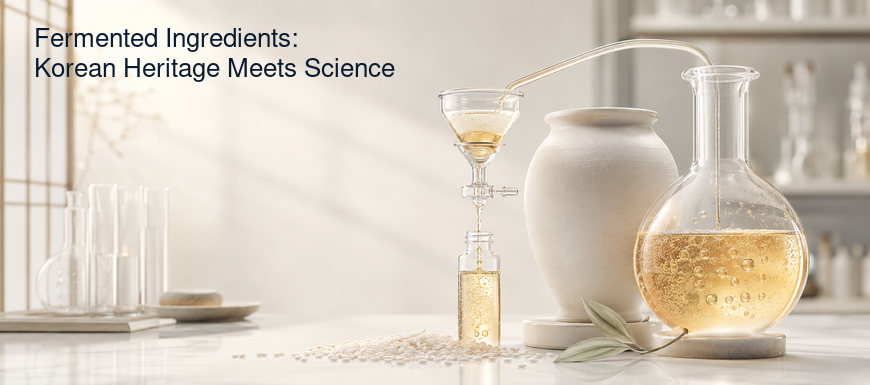
Korean fermented skincare OEM manufacturing works with a diverse range of fermented ingredients, each with distinct mechanisms and skin benefits. What unites them is the core advantage of the fermentation process itself: the biological breakdown of source materials into smaller, more bioavailable molecular forms, combined with the generation of entirely new bioactive compounds including organic acids, enzymes, amino acids, and antioxidants that are not present in the unfermented source material.
Galactomyces ferment filtrate is one of the most well-established fermented ingredients in Korean OEM formulation. Its rich profile of vitamins, amino acids, and minerals delivers brightening and overall skin health benefits demonstrated through years of commercial use in iconic Korean skincare products. Bifida ferment lysate is the fermented ingredient of choice for barrier repair and sensitivity-focused formulation, with clinical research supporting its role in strengthening the skin barrier and improving overall skin resilience.
For brands building in the clean beauty space where natural origin storytelling is commercially important, fermented ingredients offer a compelling dual narrative. They are derived from natural sources with authentic cultural heritage and processed through a biological method rather than synthetic chemistry. This combination of natural origin and scientific process appeals simultaneously to consumers who value traditional ingredient wisdom and those who trust science-backed formulation. Brands working through a Korean beauty brand development partner can build this fermentation story authentically into their brand narrative from the earliest stages of product development, creating a cohesive ingredient-led identity that resonates deeply with today’s most engaged skincare consumers.
Ingredient #5: Snow Mushroom Extract: Nature’s Answer to Deep Hydration That Science Has Made Even Better
Snow mushroom, known scientifically as Tremella fuciformis, has been part of Korean and East Asian wellness traditions for centuries. Its transition into modern cosmetic formulation represents one of the most successful examples of traditional ingredient knowledge being validated and enhanced by contemporary skincare science.
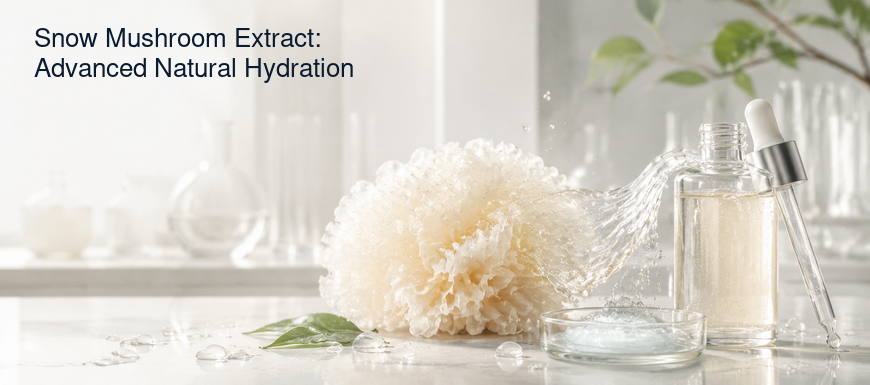
Snow mushroom extract formulations in Korean OEM work with polysaccharides extracted from the Tremella fungus that have a smaller molecular size than conventional hyaluronic acid, allowing deeper skin penetration and more sustained moisture retention. This comparison to hyaluronic acid is commercially valuable for brands building around snow mushroom because it gives consumers a familiar reference point for understanding the ingredient’s function while immediately communicating that snow mushroom delivers this function through a different and in some respects superior mechanism.
The snow mushroom polysaccharides form a flexible, breathable film on the skin surface that holds moisture against the skin while simultaneously drawing water from the environment through humectant action. This dual mechanism creates both an immediate plumping and smoothing effect and a longer-term sustained hydration benefit that consumers experience as lasting softness and improved skin condition over consistent use.
For brands targeting the clean beauty, K-beauty inspired, or nature-derived skincare segments, snow mushroom extract offers a formulation foundation with exceptional commercial positioning. The ingredient delivers the performance credentials that sophisticated consumers demand while carrying a natural origin story rooted in genuine cultural heritage. Brands developing snow mushroom formulations through Korean cosmetics custom packaging ODM manufacturing can also build a strong visual identity around the ingredient’s elegant natural origin, selecting packaging materials and formats that reinforce the clean, nature-derived brand story the ingredient so naturally supports.
Building Your OEM Formulation Strategy Around These Five Ingredients
Understanding each of these five ingredients individually is the starting point. Building a commercially effective OEM formulation strategy around them requires thinking about how they work together, which combinations are most relevant for your target consumer, and how to sequence your product development investment across your brand’s growth stages.
A brand targeting the premium anti-aging segment might anchor their hero product around a multi-peptide complex combined with exosome technology, then build out their line with a fermented brightening serum and a ceramide barrier cream that round out a complete skin health routine. A brand targeting the sensitive skin and barrier repair segment might anchor on a ceramide-bifida ferment formula, supported by a snow mushroom hydrating ampoule and a peptide repair serum.
At Nutricare Cosmetic, our formulation team helps brands think through these ingredient strategy decisions with the scientific depth and commercial perspective that produces product lines with both genuine efficacy and strong market positioning. Our access to all five of these ingredients through established supplier relationships, combined with our formulation expertise across multiple product categories and formats, makes us a trusted manufacturing partner for brands serious about building at the leading edge of Korean OEM skincare.
Frequently Asked Questions
Q1. Why are these five ingredients considered the most strategically important for Korean OEM private label formulations right now?
These ingredients combine strong consumer demand, genuine scientific credibility, growing global market recognition, and clear formulation differentiation potential. Each addresses a distinct and commercially significant skin concern while being available through Korean OEM manufacturing at a level that supports credible efficacy claims.
Q2. Can these five ingredients be combined in a single formulation or across a product line?
Yes. Korean formulators regularly combine these ingredients both within single formulas and across coordinated product lines. Snow mushroom and ceramides work well together in hydration and barrier repair formulas. Peptides and exosomes combine effectively in premium anti-aging products. Fermented ingredients improve bioavailability across multiple active categories.
Q3. What is the difference between using fermented ingredients and standard botanical extracts in OEM formulations?
Fermentation breaks down source materials into smaller, more bioavailable molecular forms and generates new bioactive compounds not present in the unfermented ingredient. This produces enhanced penetration, improved stability, and often higher efficacy compared to equivalent unfermented botanical extracts used at the same concentration.
Q4. How does snow mushroom extract compare to hyaluronic acid in Korean OEM hydration formulations?
Snow mushroom polysaccharides have a smaller molecular size than hyaluronic acid, allowing deeper skin penetration. They deliver sustained moisture retention through a dual mechanism combining surface film formation and humectant action, with the additional advantage of a natural, culturally authentic origin story that appeals strongly to clean beauty consumers.
Q5. What should brands look for in a Korean OEM manufacturer when formulating with advanced biotech ingredients like exosomes and peptides?
Look for demonstrated formulation experience with the specific ingredients, validated stabilization methods, GMP certification ensuring quality consistency, transparent ingredient sourcing documentation, and a portfolio of existing products demonstrating the manufacturer’s capability at the formulation level your brand requires.